
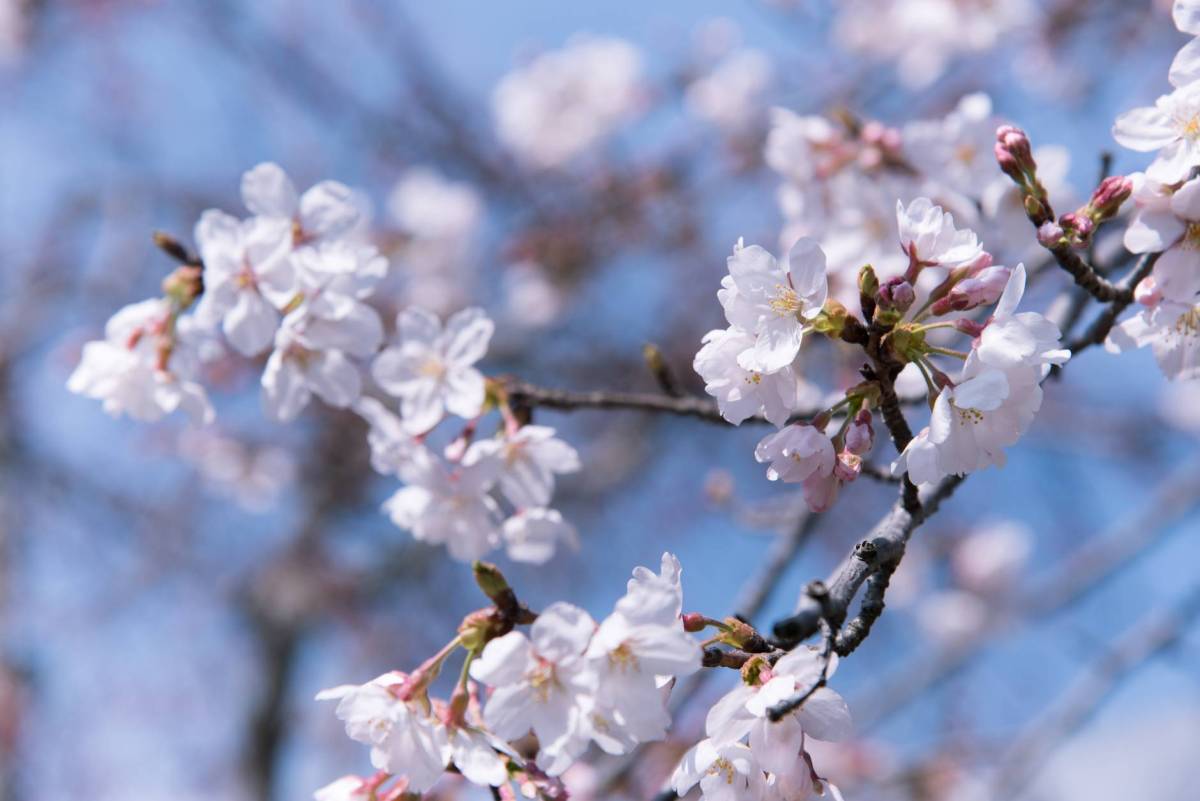
Haikus for the Pandemic

The simple elegance of the Haiku as a poetic form is intended to slow us down and live a more contemplative life. An important lesson for our times.

Haikus are well-known poetic forms from Japan renowned for their striking visual suggestiveness and their brevity of expression. They explore themes of life, nature and the impermanence of the world. Called haikai until the 20th century, haikus are usually defined as three-line poems of 5-7-5 syllables with references to the seasons. But with the experimental free-verse Haiku, this definition is fairly variable. Also, the freedom from syllabic restriction is useful for haikus composed or translated in languages other than Japanese. English for example has a different rhythm from Japanese. Where the former emphasizes stress, the latter marks its syllables.

The true power of a haiku as a form comes from its economy and the simplicity of the image that it evokes. This open-ended image made visible as a glimpse of a scene or into a landscape, taps into larger philosophical and often existential questions of the human experience. The haiku is also indicative of a more contemplative way of life and thought that emphasizes looking at the world, seeing process of transformations in their depths and slowness. In a world reeling under a pandemic and forced into isolation and introspection, the haiku is a reminder that a slower way of life is never irrelevant. It is centered on those experiences, explorations and sensations that essentially make us human. Here are a few haikus describing beautiful scenes of seasonal change and with them kernels of universal truth. The haikus have been taken from Haiku: An Anthology of Japanese Poems, by Stephen Addiss and Fumiko and Akira Yamamoto, published by Shambhala Publications in 2011.

   The spring sun
shows its power
    between snowfalls
           -Shigeyori

   Not in a hurry
to blossom-
   plum tree at my gate
           -Issa

   The warbler
wipes its muddy feet
    on plum blossoms
           -Issa

   Is the dawn, too,
still embraced by
   hazy moon?
          -Chōsui

   Over the violets
a small breeze
    passes by
          -Ontei

   Each time the wind blows
the butterfly sits anew
   on the willow
           -Bashō

   Spring chill-
above the rice paddies
    rootless clouds
          -Hekigodō

   Crazed by flowers
surprised by the moon—
    a butterfly
           -Chora

    Misty day-
they might be gossiping
    horses in the field
            -Issa

    Out from the darkness
back into the darkness
     affairs of the cat
            -Issa

     On the temple bell
perching and sleeping
      a butterfly
            -Buson

     Flower petals
set the mountains in motion—
     cherry blossoms
           -Hōitsu

     Summer rains—
leaves of the plum
     the colour of cold wind
           -Saimaro

     Alone, silently-
the bamboo shoot
     becomes a bamboo
           -Santōka

      At the sound of the sea
the sunflowers open
      their black eyes
           -Yūji

     Dragonfly on a rock
absorbed in
     a daydream
          -Santōka

     On a withered branch
linger the evanescent memory
     of a cicada’s voice
          -Kagai

     A rinse of vermilion poured
from the setting sun, and then
     autumn dusk
          -Taigi

     Snow
falls on snow-
     and remains silent.
         -Santōka

     In the abandoned boat
dashing sliding-
     hail
         -Shiki

     Sharing one umbrella-
the person more in love
     gets wet
         -Keisanjin

     Having given my opinion
I return home to
     my wife’s opinion.
         -Yachō

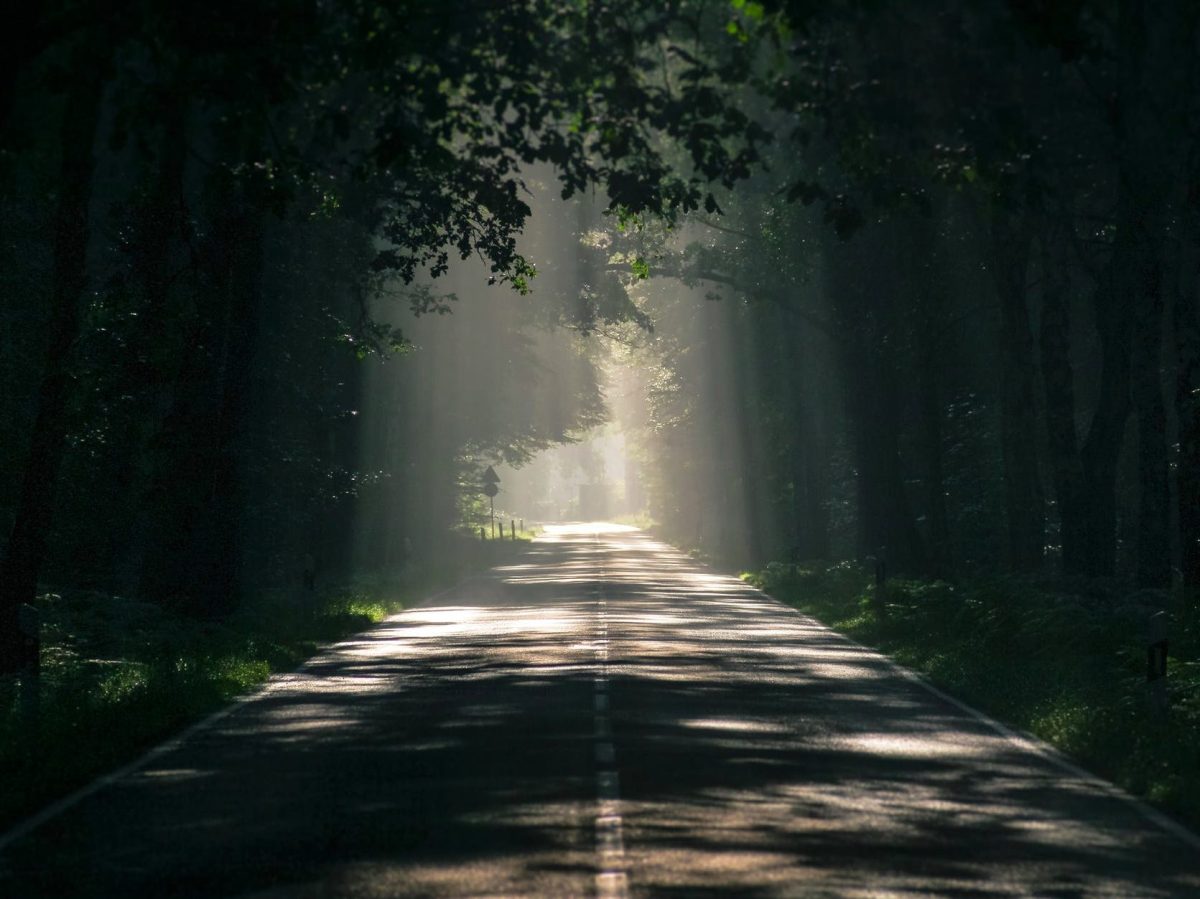
Vistas of Corporate Life

A poem on the vistas of corporate life, from concrete jungles and basements, to urban glamour and the loneliness of human beings in a fast-paced world.

He swerves into underground gloom,
Silence and ill-lit nihility;
The slope drops another level
Into clandestine darkness.

They fly in and out,
Bulbous headed spirits
On fuel, like bats
Out of the dark.
Beside them sail
Raised panes sweeping
Unknown passengers
To unknown destinations.
No words flicker here
In transit.

The security guard sits alone
in his corner,
Propped up in his delible
Sky-blue shirt, ID askew,
Elbows on a tattered notebook
To log ferries across worlds.
His eyes are not used to greeting,
As he twiddles his thumbs
Beside an umbrella and
A trash can for company.

Tucked in by darkness,
Silence sleeps
In the midst of stationary cars
With time-arresting immobility,
It curls through the pools of blue
Cast by rows of CFL lights
Across sliding glass doors,
It drips in the wake of churning wheels,
Merging with the invisible humming
Of revving, breaking, simmering, warming
Engines.

The radio withers here
Like a plant without the sun,
Its garbled voice
Cackles as if plaintively,
Unable to bear the gravity
Of a man-made silence
In a man-made symmetry.
He skids to a stop,
As I plummet into reality,
He lets me out and zooms away.
The others like me
walk with fickle feet,
A sense of irrepressible urgency,
Bearing the weight of
Habit and necessity in their
Frowns and wrinkles.
On smooth granite,
We wait in silence-
For the parting of polished silver doors
To haul us to man-made heights
And points of view.


Demain dès L’Aube…

A poem inspired by French poet Victor Hugo’s poem of the same title that he wrote for the death of a loved one.

A Poem Inspired by Victor Hugo’s poem of the same title

Demain dès l’aube dans le jour blâfard,
Je partirai à ne jamais revenir,
Je poursuivrai l’horizon qui dépasse le regard
Là, quelquepart au delà de l’avenir.

J’irai écouter le murmur des eaux,
Seule, sur les bords de la béatitude
Là, dans le silence ignorant des mots,
Je demeurerai un instant en solitude.

Et quand le vent bohémien des vastes prairies,
Sifflerait cet air des choses lointaines
Je volerai sur les ailes d’une pensée chérie
Pour frôler les herbes hautes des plaines.

Puis la lumière s’effacerait du monde,
Le crépuscule y viendrait, il ferait soir
Je partirai dans mon voilier sur la mer et ses ondes
Pour cueillir les étoiles du noir.

Mais la nuit berçerait mon âme rebel,
Lasse, heureuse, doucement je pleurerai…
Dans mon coeur encore cette voix, cet appel
Et devant mes yeux, une ombre de l’éternité…

(Published in SAICE Alumni Magazine, Golden Chain, 2018.)